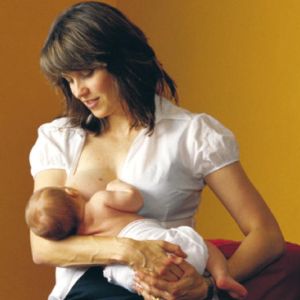
Is A 4-Hour Breastfeeding Schedule Normal?

Is A 4-Hour Breastfeeding Schedule Normal?

You have heard other mothers stress a 4-hour breastfeeding schedule, yet your baby is not agreeable to such a schedule.

Why does your baby want to nurse all the time?

The reason for this is that a 4-hour breastfeeding schedule is not normal at all. Studies show frequent nursing is more biologically normal than to expect an infant to stick with a 3 to 4 hour feeding schedule.

Think about it like this, if you had to double your weight in less than 6 months, how often do you think you may be eating throughout your day?

It is unhealthy for parents to consider that a baby should only nurse every 4 hours. Keep in mind that we as adults are told that our bodies benefit more by eating five or six smaller meals daily rather than to eat three large regular meals a day. Why should your baby need any less?

Normal Babies Eat How Often?

According to Kathy Dettwyler, a Texas A&M University anthropologist, babies the world over are breastfeeding more often. While studying some 2000 research concerning the breastfeeding schedules of children of approximately three months of age in three different areas of the world: the Ngandu farmers and the Ba'Aka hunter-gatherers of the Central African Republic as well as families in Washington, DC.

The babies in America breastfed approximately one and one-half times per hour, the babies in Ngandu breastfed about two times per and the babies in the Ba'Aka breastfed approximately four times per hour.

Although, the American babies did breastfeed less often that the other groups, they did nurse more often than their parents were led to believe that they would or expected them too.

You Baby is Getting Enough Milk, So There is No Need to Worry

Many times, new mothers will worry that their baby is not getting enough milk and are starving, when they want to nurse all the time.

However, a good lactation consultant will let you know that you cannot precisely measure the amount of milk the baby gets by the frequency of its feedings. In fact, when a baby is not getting enough milk it will become sleepy and not feed as often. If your baby gives you plenty of wet diapers, you will know that you are giving the baby enough milk.

How Do You Change a Feeding Schedule?

It may be easier to simply, change your expectations.

Some children never get into a four-hour feeding schedule, they may nurse every two or 3 hours until they wean. In fact, many may even continue snacking every 2 or 3 hours when they are older.

One of the best things about having a frequent feeder is that their feedings will take up less time and they are much easier to fit into your adult schedule.

A Reasonable Schedule

When you have a very small baby, you should not worry, since as they get older they will feed less often. Other than while they are going through their growth spurts, they often adjust nicely into a reasonable feeding schedule.

If at this time your baby want to breastfeed more often allow it to do so, since one day you will find yourself missing these up close and personal moments spent snuggling up with your baby. Before you know it he or she will be up and gone without a care as to whether it is time for breastfeeding.


Breastfeeding - Is A 4-Hour Breastfeeding Schedule Normal?

Norethindrone And Breastfeeding Babies Should Concern Mothers

Norethindrone And Breastfeeding Babies Should Concern Mothers

Should women be concerned about norethindrone and breastfeeding? If you answered "Yes", you have every right to be concerned as any mother who is breastfeeding her baby should. Norethndrone is a prescription drug that is given to women to control birth, otherwise referred to as birth control pills. This drug will either contain natural or synthetic forms of estrogen in combination with progestin, both of which are an attempt to mimic a woman's natural hormones called estrogen and progesterone. Norethindrone is normally taken to reduce the chance of pregnancy in women.

It is known norethindrone and brestfeeding your baby has certain side effects that you should be aware of while breastfeeding. Norethindrone can lower breastmilk production and the drug can also be passed into the breastmilk. This is not to say that all women will experience a reduction in breastmilk production, but why take the chance of passing the drug to your baby through your breastmilk. Some recommendations to mothers that are breastfeeding is for the mother to avoid any type of estrogren contraceptivie until the baby is 6 months or older.

The concern with taking norethindrone while breastfeeding is the fact a young infant cannot effectively metabolize the synthetic hormone because and infants liver is not equipped to handle it. Although the American Academy of Pediatrics has stated the hormones contained in estrogen drugs like norethindrone are approved for use by breastfeeding mothers, a mothers should still be cautious with norethindrone and breastfeeding or breastfeeding while taking any drug for that matter.

Norethindrone and brestfeeding may cause your baby to be irritable in behavior, or as referred to as being "fussy". If you notice that your baby is fussy and you're taking norethindrone, keep in mind this can be caused by the estrogen hormones in the drug decreasing the nitrogen and protein levels in the breastmilk.

Here are some things that you may want to know about Norethindrone.
Norethindrone may cause side effects. Make sure you inform our physician if any of these symptoms are severe and persist in any form:

o changes in menstrual flow

o difficulty falling asleep or staying asleep

o irregular vaginal bleeding or spotting

o growth of hair on face

o weight changes

o enlarged or tender breasts

o upset stomach

o acne

Remember, these are some side effects that may occur in a grown woman; remember the "fussy baby"? Let's site a few more side effects concerning Norethindrone and brestfeeding:

This medication could cause depression, headache, nausea, irritability, dizziness, sleeplessness, or vomiting. Now be aware that these effects should disappear as your body adjusts to the norethindrone. Call your doctor if these problems don't go away.

Breastfeeding has been a natural part of motherhood since humans have been in existence. Drugs have not always existed as we know it today. Breastmilk is the best source of nutrition for your baby, and mothers should take caution before jeopardizing that precious source of nutrition just for the sake of convenient birth control methods such as "the pill". If you're really concerned about Norethindrone and brestfeeding, consult with your doctor to find out what alternatives contraceptives are available to you while breastfeeding.


Breastfeeding - Norethindrone And Breastfeeding Babies Should Concern Mothers

Breastfeeding - The Ideal Schedule

Breastfeeding - The Ideal Schedule

Breastfeeding is the most natural thing a new mother can do for her baby. Breast milk is the best food for the newborn as it contains the perfect composition of fatty acid, glucose and protein its developing body and brain require.

Breastfeeding is also the most economical way to feed a baby. Breast milk is also always ready and a very ecological way to feed a baby as it involves no bottles or bags of any kind.

What is then the ideal schedule to have for a nursing a baby? The answer to this question might disappoint new mothers but in fact there are no schedules. The simple answer is that a nursing mother should adapt her schedule to the needs of her baby. A growing baby has different growing phases and may not show a regular schedule for the first few months.

Breastfeeding on demand is the best way to ensure that baby receives all he needs. The best way for a nursing mother is to put away her watch and clocks and get in tune with her baby.

It is recommended not to wait too long to feed the baby. Sometimes, when not fed rapidly, a baby can get very upset and cry profoundly and will have a harder time to breastfeed.

It is easier to put the baby to the breast when he is fully awake and showing movements of the mouth but not crying.

A nursing mother will greatly benefit from considering the breastfeeding time as occasions to relax and spend quality time with her baby rather than worry about her schedule being thrown off.

When a baby is born, it is recommended to breastfeed him in the first hour of life. Most babies during that hour will get calm and show chewing movements of the mouth or even move their head towards the mother's breast.

Some people have ventured that the breast should be presented right after birth. In our experience, during the first seconds of extra-utero life, most babies are busy coughing and spitting-out the fluid that was in their lungs and mouth and will not be much interested in breastfeeding.

The best signs that breastfeeding is going well is if your baby sleep between feedings and wets his diapers.

Although breastfeeding on demand is the most recommended way of feeding a baby, one has to make the difference between a baby who is really feeding and one who is only using the breast for comfort.

When a baby is simply hatched-on the breast for cuddling, it is better to remove him from the breast. Most women give-up breastfeeding because they feel their baby is too often to their breast. If they could have made the difference between real feedings and just cuddling, they might have kept breastfeeding for a longer period.

As for anything else, getting the proper rest and keeping herself well hydrated is a must for the nursing mother.


Breastfeeding - Breastfeeding - The Ideal Schedule

Guide to Wean an Infant From Breastfeeding

Guide to Wean an Infant From Breastfeeding

Weaning an infant from breastfeeding is an important milestone for both mother and child. Since breastfeeding is a habit and a bonding experience for an infant, weaning is the process of introducing the child to new habits for feeding.. Weaning must be done gradually so as not to be a traumatic experience for the baby.

Breastfeeding
Instructions
  • Gradually reduce the time of each breastfeeding session over the course of one week. If the infant is still hungry, offer baby formula or solid food depending on the age of the baby. Breastfeeding sessions can be gradually reduced over a longer period of time than just a week if needed. The idea is to get the infant used to eating a little bit of baby formula or solid food at each meal.  
  • Replace one breastfeeding meal with baby formula or solid food. This should be done only after the infant has gotten used to shorter breastfeeding sessions combined with baby formula or solid food.
  • Replace another breastfeeding meal with baby formula or sold food. This should only be done after the infant has gotten used to the first meal replacement.
  • Replace all breastfeeding meals with baby formula or solid food.

Breastfeeding and Work

Breastfeeding and Work

In order to continue breastfeeding after returning to work - continue to produce more milk for the baby to produce. Many nursing mothers continue to breastfeed after returning to work. Of course, if a nursing mother, you are faced with many challenges in their work and to breastfeed, and ends, but proper planning and adjustment difficulties are not an obstacle to breastfeeding. 

Breastfeeding
Difficulty breastfeeding after returning to work
First, there may be thousands of questions and doubts as to continue to breastfeed and help solve the low intake of milk, if you are breast-feeding, it is not the same as before. In the first week back to work, always overwhelming and exhausting.
Second, you can worry about whether it is a good place to pump milk is. The employer can not express a place for nursing mothers, milk and save.
One third of working time is not pumping regularly. It may not be able to program the pump, because some ad-hoc or frequent trips by the type of work.
Fourth, if you have any questions, customize a fully breast-fed babies.
One-fifth of your life is more worried about the tight timetable to return for their milk will work in accordance with the housework and CEO pump. They feel very end.
The sixth Feel comfortable with all the criticism and comments of his colleagues in the pump enough milk pumping and storage make the dairy business in the refrigerator.

Problems
There are tips and suggestions to overcome these difficulties is below, so that you can use to continue to take the child's chest. You find tips for working mothers, as they produce more milk, make sure the best nutrition for your baby.

The first conviction and committed
Need to get you and your environment, you warrant further the benefits of breastfeeding, even after the return to normal mode. Benefit from a partner, the eldest son of the family, friends and nursing colleagues. Talk to them and convince them of the benefits and reasons for breastfeeding. Involved in, and enjoy a nice relationship with the child.

A further planning and preparation
a. Talk and discuss with your employer, you have to breastfeed and pump milk before they leave, so you know how to prepare before you go to work. One could say that the reasons for and benefits of breastfeeding. At the same time, the employer that you to pump your own place and have hygiene. Speaking about the need for basic services, like a small room, lock, table and chairs, a sink for washing and a refrigerator. Try to do something with your employer before she on maternity leave.

b. Before returning to work, to prepare a list of things to do these things to work and prepare for the night, the next morning. Contains a list of things you breast pump, battery (if you have a pump with batteries), breast milk storage containers, ice (if there is no refrigerator at work) to take, breast (loss), children's clothes and bottles at the babysitter. Everything ready for the next morning.

C. Development of a program to pump the pump runs continuously. Milk, you can feed your baby in the morning to try and pump before you go to work. At work, try to have at least one pump in the morning, another bomb after dinner, and the pumps in the afternoon. If you want more milk, which can be pumped more often, but when the pump is not working, so good planning is necessary. If you can not use the pump to pump program is not responding to one or two sessions to avoid. But do not skip many sessions to reduce the production of milk, the milk production. To maximize the frequency of breast-feeding as possible. Always consult your child care / nanny to feed the child enough to give him / her to keep eating for the night after arriving home. When you get home, take some time to prepare dinner. To create a simple aperitif before your meal to the child. Enjoy your time. You can call two rounds of breastfeeding in the night before a day off.

d. practice of breast pump for at least a week before returning to work. Take milk pump. There are four types of pumps on the market - at the table, pumps, manual breast pump, batteries, hand / foot pump and electric pump. Then select the type of pump is best for you, if we work together on a daily basis. It is also advisable to two pumps to reduce the pump, you can use, especially during working hours.

e. The practice of bottle feeding a baby, because when you send your child is a child care provider / baby sitter, your child's milk from the bottle not to drink the breast. So, a week before returning to work, you can use the formula of the child's natural milk. The disadvantage of early start for children, the bottle baby refuses to breastfeed for longer. This is because the child is usually a smooth, gentle flow of milk, if you prefer the bottle.

f. The preparation of the work item, which is convenient for you to meet milk.Two hand pump allows for easier access to the child's chest, if you need a nurse before leaving the workplace, or current service provider before the day site. Fancy shirt can against losses that may occur during operation to protect.

Third, job options
a. You can use a service provider, a nanny or a day near his workplace, and so is able to maintain regular direct breastfeeding upright.

b. Part-time work is another good option that gives you more time with their children and take care. You can work part time when children young and return to work full time at her age.

C. This work can help a child to operate a family business and shop. So you can take your child from Honda. This option allows you to breastfeed their babies during childbirth.

d. Do you work at your home are becoming increasingly popular in recent times, and could also be a good choice for breastfeeding mothers continue breast-feeding, reducing the financial burden on the family. Mother and child is a lot of time to be together.

e. For mothers who are not fit in the previous option, you can pump milk during the workday, and breastfeeding after work or rest periods last for days.

f. The final option is to breastfeed the baby, and a model for the work.

Maximization of the fourth frequency of breastfeeding and pumps
You must be pumped regularly to maintain dairy production / avoid low milk production. Therefore, breast-feeding a baby, not a full time job. Let your child forgets his chest. Many nursing mothers maintain enough milk to breastfeed the child can, because you continue to pump milk at the same time .

Guide to Get Pregnant While Breastfeeding With No Period

Guide to Get Pregnant While Breastfeeding With No Period

Mothers who enjoy breastfeeding their new babies may not be aware that nursing slows the return of fertility. While many new parents may be relieved that the chance of another pregnancy is lowered by breastfeeding, others may be torn between continuing the breastfeeding relationship between mom and baby, and conceiving another child. Fortunately, there are some concrete steps mothers can take to hasten the return of fertility while still nursing.

Instructions


Things You'll Need


  • Notebook
  • Writing utensil

Monitor Nursing Habits

  • 1
    Record each nursing session in a notebook. Label the top of the page with the date. Each time you nurse your baby, record the length of time. Don't forget to record night sessions as well, since these are a very important factor in return of fertility.
  • 2
    After about two or three days of recording all nursing sessions, examine your data. Pay close attention to the average number of nursing sessions per day, as well as the time of day at which they occur.
  • 3
    Cut back on the number of nursing sessions per day. If your baby is older than six months and has started solids, try to begin by replacing one afternoon or late morning nursing session with solid foods.
  • 4
    After a couple of days with one reduced nursing session, try to take away another. If you do this until your nursing sessions are between four and seven hours apart, your period is much more likely to return, allowing for the next baby to be conceived.
  • 5
    Of course, regular intercourse will always increase your chances of conceiving.

Guide to Gain Weight While Breastfeeding

Guide to Gain Weight While Breastfeeding

Gain Weight While Breastfeeding

There are a variety of reasons why a woman may want to gain weight following a pregnancy. Many women actually lose weight during pregnancy due to excessive morning sickness and wish to regain their pre-pregnancy weight. Trying to gain weight can be very frustrating, and you might not be able to find a lot of help since most resources are directed at losing weight after pregnancy. There are, however, things you can do to successfully gain weight while maintaining your health.

Instructions


Things You'll Need


  • Notebook
  • Pencil
  • Calorie counter guide
  • Whey protein
  • Scale
  • 1
    Record everything you eat and track your calorie intake for at least two weeks. This will allow you to figure out your average calorie intake so you know how much you need to increase your calorie intake.
  • 2
    Add at least 500 calories to your daily intake. The average woman burns 500 calories a day just from breastfeeding. In order to gain weight you need to compensate for that calorie loss. Once you’ve compensated for the calorie loss, add another 500 calories to put on weight.
  • 3
    Remain active, but keep track of how much you exercise. You’ll need to compensate for those calories in your diet. You’ll lose one pound for every 3500 calories you burn. So to prevent weight loss, you need to track the calories you burn and add it back into your diet.
  • 4
    Add protein and carbs to your diet to increase your calorie intake. You don’t want to sacrifice your health in attempting to gain weight so you still want to avoid fatty junk foods. Try to increase the amount of chicken, fish, potatoes, pasta and rice.
  • 5
    Continue tracking your calorie intake each day, and weigh yourself once a week. You can adjust your calorie intake each week based on whether or not you’ve gained weight.
  • 6
    If you find you can’t eat as much as you need to in order to gain weight, consider drinking a daily protein shake. Whey protein is fairly inexpensive and can be purchased at any GNC or other nutritional supplement store. You can add the whey powder to a milkshake or fruit smoothie.

    Guide to Stop a Breast-Feeding Baby From Biting

    Guide to Stop a Breast-Feeding Baby From Biting

    Breast-Feeding
    One of the greatest fears that nursing mothers have is the fear of being bitten. While some breast-fed babies do occasionally bite, it is a fairly easy problem to deal with, and should not threaten the success of the breast-feeding relationship.

    Instructions


    Things You'll Need


    • Teething Gel
    • Teething Ring
    • 1
      Remove your baby from your breast gently, and say "Don't bite Mama!" or "Don't hurt Mommy!" Put him down gently or hand him to someone else, then wait a minute or so before you start to nurse again. This will teach your baby that when he bites, the milk goes away.
    • 2
      Repeat this procedure as often as necessary to get the message across. If necessary, calm your baby down by giving him a finger to suck on before you try relatching him.
    • 3
      Prevent biting that happens early in a feeding. Does your baby bite out of eagerness or frustration, while trying to get your milk to let down? If so, you may be able to stimulate letdown by massaging your breasts just before a feeding or laying a warm washcloth on them for a few minutes.
    • 4
      Prevent biting that happens late in a feeding. Does your baby bite near the end of a nursing session, when he gets sleepy and his latch starts to slip? If so, you may want to unlatch him slightly earlier than usual, after he has had a good meal but before he drops off altogether.
    • 5
      Work on your baby's latch. If he is very young, he may still be learning how to nurse properly. It is fairly easy to retrain a baby's latch just by positioning and repositioning him until he gets it right.
    • 6
      Check his breathing. If a baby has a cold or stuffy nose, this can affect his latch and even cause him to bite unintentionally.
    • 7
      Check for signs of teething. Many babies occasionally bite when they begin teething; if your baby's gums seem inflamed, or he has bright red cheeks, or he is drooling more than usual, he may be starting to get teeth.
    • 8
      Offer your baby something else to chew on before nursing, and in between feedings. Teething rings, frozen washcloths, and even your finger can be good substitutes.

      Guide to Keep Baby Awake While Breastfeeding

      Guide to Keep Baby Awake While Breastfeeding

      New mothers have a lot to learn. Each baby is different and requires different techniques for each aspect of their growth and development. One common obstacle new breastfeeding moms face is keeping their little one awake to eat. The comforting and soothing connection with mommy makes it easy for baby to fall asleep, often hindering his food intake. Below are some steps to help keep baby awake while your breastfeeding.

      Instructions

      • 1
        Remove your baby's clothes before breastfeeding. This will keep her cool and it's harder to sleep when she's not warm and cozy.
      • 2
        Change your baby's diaper before breastfeeding, a technique that wakes baby up very well. If he still falls asleep, change his diaper again before switching breasts.
      • 3
        Stroke your baby's cheek and lips with your nipple. This stimulates her rooting (searching for the nipple) reflex.
      • 4
        Pretend to pull your nipple out of your baby's mouth, or stick your finger between your nipple and the baby's mouth to break the latch. The constant sucking is what tends to put baby to sleep, so taking away the nipple will cause him to start sucking hard again to keep it in place.
      • 5
        Touch your baby's ear or stroke her arms or legs. These touches will distract from the comatose state that she is in and help her to again focus on the task at hand.
      • 6
        Sing loudly to your baby, without yelling, of course. The quiet atmosphere helps to lullaby him to sleep, so a song that is loud and has a quick tempo may disrupt that overly soothing environment.
      • 7
        Place a cool washcloth on your baby's belly, leg or forehead. The cool sensation is bound to wake her up.

        Guide to Lose Weight and Breastfeed

        Guide to Lose Weight and Breastfeed

         
        After you give birth, you probably want to lose your pregnancy weight as fast as possible. But in order to produce healthy breastmilk, you actually need to increase your caloric intake to about 2,500 calories a day and not worry too much about dieting. But there are some things you can do to lose your pregnancy weight and still breastfeed.

        Instructions

        • 1
          Remember, it took you about a year to put on your pregnancy weight, and it's healthiest if it takes about a year for you to lose all your pregnancy weight.
        • 2
          Breastfeed as much as you can. Try not to supplement a breastfeeding session with a formula feeding unless necessary. All the calories and fat in breastmilk come from you, from your fat and caloric stores. You will lose your pregnancy weight the fastest if you breastfeed your baby.
        • 3
          Check what you're eating. Motherhood can be difficult and getting a square meal may seem impossible. But making an effort to eat healthy, to eat whole grains, lean protein and fruits and vegetables will help you lose weight and keep your breastmilk healthy for your baby. If take-out and fast food seem easier, try to pre-cut your fruits and vegetables, buy premade foods, get some help around the house or consider ordering healthy take-out.
        • 4
          Start exercising about four to six weeks after you give birth, if you feel up to it. You may find it more comfortable to breastfeed your baby before you work out. You may also need the support of a well-fitted exercise bra. Sometimes babies will reject the breast after exercise due to the salty taste of mom's skin. Taking a quick shower after exercise but before breastfeeding may help with that.

          How to Get a Good Latch Breastfeeding

          How to Get a Good Latch Breastfeeding


          Breastfeeding is natural and beneficial for both mother and baby, yet when things are not going so well early on it can also be frustrating. Both mother and baby need to learn how to work together in order to make breastfeeding possible. According to Dr. Sears, getting a good "latch" is important because it reduces discomfort and helps maintain a good milk supply. There are a few simple things you can do to get a good latch breastfeeding.

          Instructions


          Things You'll Need


          • Nursing Chair
          • Pillows
          • 1
            Get comfortable. The first thing you to need to do is make sure that you and your baby are comfortable. Sit back and relax, prop your self up with pillows or use a pillow under the baby for support. Be sure you have everything you need like a glass of water, phone or other items you want so that you can sit down and focus on your baby. Many breastfeeding mothers like to set up little nursing stations that they keep next to their favorite nursing chairs. I used my rolling bassinet as my little nursing station because it had a place to put drinks, diapers and other essential items right underneath. With the bassinet right there you can also put your baby in the bassinet when he or she drifts off to sleep.
          • 2
            Position your baby correctly. Be sure to raise your baby up to the level of your breast. If you are a very tall woman you might need a few extra pillows. Rotate your baby on his or her side so that the baby’s tummy is facing your stomach area. The baby’s head should be aligned right next to your breast as well.
          • 3
            Hold your breast in position. After your baby is in the correct position the next step you need to take is to hold your breast in position for the baby to latch on. Women who have very large breasts may need to roll up a small receiving blanket and place it under their breasts in order to bring the breast to the same level as the baby.
          • 4
            Tickle your baby’s bottom lip with your nipple. In order to convince your baby to open his or her mouth you typically need to use your nipple to help the baby open their mouth. Hold your breast up gently and tickle your baby’s bottom lip with your nipple. You can also put a small amount of milk on your nipple to entice the baby to eat.
          • 5
            Put your nipple in the baby’s mouth. Once your baby opens his or her mouth place your entire nipple and most or all of the areola into the baby’s mouth. Keep repeating the first few steps until you get a good latch. A good latch is when the baby’s entire mouth is firmly on the nipple and areola. The nipple should be pretty far down the mouth because nipples are delicate and the milk is only going to be efficiently expressed when the baby is latched on to the nipple and areola. The baby has to be able to properly compress on the areola in order to get milk. The baby’s lips and mouth should be curled outwards around the areola.

          The Basics to Breastfeeding Your Baby

          The Basics to Breastfeeding Your Baby

          9-month period means natural that your body is ready to breastfeed their children. Breastfeeding gives your baby the best source of nutrients, and the result is a good start to a healthy child.

          Breastfeeding and breast-feeding a baby is a learned skill. Mother and child, it takes time and patience on both sides. Breastfeeding is a natural for some mothers and children, but I do not feel the pressure to perform.

          If you happen to spot a problem with the child, go to La Leche League, and look forward to offering a local lactation consultant. He specializes in mothers to breastfeed her child, and has a lot of resources to ensure successful breastfeeding!

          The first two days after birth

          The most encouraging health professionals to moms breastfeed her child as soon as possible. Some of the cases in which breastfeeding is not recommended if you have a problem of delivery, cesarean section have. You will find that many of the abducted children, lactating and not with little effort or. But in these cases, premature birth, the mother has a problem trying to breastfeed her child. If so, that the mother still beat your child and encourage your baby to begin breastfeeding if they are ready.

          To be successful in the womb

          The best way is to start feeding your baby to an environment in which to make as calm as possible because it gives you and your baby a relaxing atmosphere for breastfeeding. Keep drinking optimization tips for breastfeeding and maintenance fluids.

          The key to success of breast-feeding should be in a comfortable position. Generally, most young mothers who are nursing and nursing the babies, sits directly on a chair. Some women breastfeed their feet and a pillow (Boppy pillow, or) on their knees, because she creates a natural, comfortable breast-feeding should take place. If you find that you are tired, if you want to breastfeed, she lay down beside him. Some women are tired after pregnancy, so it seems that this is a relaxed start to breastfeed.

          It is important to remember when feeding your baby, the child remains close to the body, across his chest. Dresser with a child too close to his chest, and you should be able to use the child near the breast easily, allowing easy location of breastfeeding.

          Child's placement before feeding

          Before you feed your child, make sure you and your child feels. If the option you want to breastfeed your baby in an upright position, make sure the baby's head resting on the forearm, or keep your head and shoulders with a free hand. Even if your child is breastfed, should be the head of a nipple, as this allows the proper angle of the child to suck, and breastfeed her child.

          Another thing that breastfeeding may help cup breasts with his hand. The support of the breast with your fingers against the ribs so that your child the opportunity to breastfeed easier. One thing to avoid is to squeeze the nipple between his fingers, as you can prevent the child from breast-feeding successfully. Some children to breastfeed, is instinctive, it automatically starts a pacifier when your breasts feel suck on the cheek.

          Make sure that the child

          Although it may seem natural to make sure that the baby most of the breasts in my mouth as possible. The baby is good if you are still "bite" into the chest between the nipples and areola may need more.

          Lactation, the lower lip a child again, because the jaw muscles are almost rhythmically. If you see a child have sunken cheeks, still, you have no appetite and can be performed in the chest, without success. If this is the case, to ensure a real change breast feeding a child or his position and try again.

          Replace if necessary

          Most children still sucks, the various models - and the short-sucking, and sometimes it breaks. Baby say, if the chest is empty, or fall by the warts in the mouth. This means that the time to chest the other breast.

          If you feel that you have left the baby, the easiest and most effective, is to share in the chest with the fingers. If the child refuses the breast of the second breast, let time pass and try it again the other nipple nurse.

          Rush

          You may notice a few days after birth, the breasts begin to feel the swelling. This is known as the sinuses and can even feel the pain, to collect blood and milk. Breastfeeding for up to eight times in 24 hours can help relieve pain. One thing you can do is your sinuses feel better, little phrase "milk before breast-feeding a baby.

          The combination of milk and bottles

          At some point it may be necessary to take a break from pumping milk from the bottle. If a race or a return to the work of pumping milk, the baby receives nutrients, they are silent. Breastfeeding is the best way to ensure that the child is what they need - say at the end: "breast is best" is certainly true at some point you must stop. Breastfeeding - but gradually, so that a smooth transition .

          Breastfeeding - Tips to Help You and Your Baby

          Breastfeeding - Tips to Help You and Your Baby

          Breastfeeding is the best food for babies because they get all the nutrients a child needs to fight alongside the mother has antibodies against diseases. In addition, breastfeeding helps to relieve pain, swelling of the breasts after birth and the mother and the child's time to give the quality of the connection.

          These tips should support for breastfeeding is the best food you will need:

          At the beginning of breastfeeding as soon as possible

          One of the highlights of the leadership began to breastfeed her child as soon as possible, preferably within 24 hours after birth. If you are worried that there is still enough breast milk or feel swollen and tender, is the only thing that will help to begin breastfeeding. Breastfeeding is the only way to deal with the milk production and to alleviate congestion and pain. In general, the best support for breastfeeding to right!

          or, to be patient and continue to breastfeed

          They have the attitude that was in patients who are breast feeding. During the first weeks of breastfeeding will be difficult. Used for feeding the baby for 24 hours before the birth, you have to give at regular intervals for several weeks. The end of breastfeeding? Be patient and willing to feed your baby every day. Soon you and your child to the feeding schedule suits both parties to adapt.

          not to stop breastfeeding

          The end of breastfeeding is probably the most difficult, because there are times when you stop and feed on the bottle, rather than want. It is advisable not to return to work or are breast-feeding. Continue breastfeeding, even if learning the work to pump milk. Sometimes the child is weaned, if a user sees something else, or milk, it smells different. Identify and translate those changes into the breast of the child.

          • Changing the ways

          All you can eat or the milk. Therefore, drinking alcohol and smoking influence the content of breast milk and the child does not realize it. Then the other end of breastfeeding should be taken seriously to avoid eating or doing something that you convey to the child, or because the child is sick or refuses to breastfeed.

          or express and store milk during lactation is not

          The best advice that breastfeeding is not the pump in a clean container and freeze. Label and date of recording. Milk in the refrigerator for 48 hours and can not be stored longer than three months in a separate freezer door. If de merengue, put it in the refrigerator for several hours in cold water. Let the milk at room temperature or freeze-thaw. Never use a microwave oven and heat the milk, the remaining milk to remove a child.

          Never use a rubber nipple or breast-feeding

          During the weaning of the child, spoon or cup, not the rubber nipple. It's the difference between the nipple and rubber nipples that the baby is used when exposing him / her. Spoon or cup not stifle the needs of the child, before feeding the baby, if available. The same is done if the child does not want to resist (what happens when a child is sick or small), the child returned to normal when you're breastfeeding, he / she is ready.

          or guides to ask healthcare professionals

          Most breastfeeding mothers will benefit you in health care, such as a nurse or lactation consultant. You learn the right way of breastfeeding, breastfeeding for more tips and other important information you need to know.

          Breast milk can her baby food up to 100%. With the advice given about previous breastfeeding mothers, and a little "patience and perseverance, you can be 100% good nutrition for children can be guaranteed .

          Breastfeeding and the Law

          Breastfeeding and the Law

          Earlier this month, every month should be breast-feeding causes a famous Brazilian model Gisele Bundchen a storm of controversy in his view that the breast is the law everywhere in the world.

          Apparently, a passion that they maybe a little more than Gisele, "but his heart moved in the right place. He his statement a few days on his blog that it does not mean that it would be right, but still alive, and that the statement was taken out of context, but the press and media work. I say this because I think Gisele was an important job interview, and the expression of milk.

          Gisele Bundchen wrote in his blog. "I'm on the importance of breastfeeding has nothing to do commentary with the law. It comes from my passion and faith of the children. Becoming a new mother has brought a lot of questions, I feel the constant search for answers about what could be the best for my son. It is unfortunate that in an interview that sometimes things that seem so black and white. I'm sure that if I sat down to discuss my experiences with other mothers to talk share a mere opinion. I understand that everyone has their own opinions and experiences, and I'm not here to judge. I think that life in this world, the most important thing a person can do, and it can be difficult. I think that mothers simply do good. "

          Last week I wrote about how to safely store breast milk at work or from the baby for any reason. This week my article has a lot of challenges for women around the world and a cultural center government is trying to breastfeed their children.

          October is breast cancer. Department of Health and Human Services, sponsors a campaign to encourage women to breastfeed. Nevertheless, in order to get articles and books about the health of babies through breast milk, 70% of women who start breast-feeding immediately after birth, and less than 20% of mothers continue to breastfeed for 6 months to optimize it. There are still many legal and cultural barriers, it is very difficult for mothers to breastfeed exclusively. Women often feel nervous and embarrassed lead with breastfeeding in public places, and often the task of breastfeeding.

          A famous case in 1981 (an obstacle in front of the school) is a perfect example of a situation of mothers face discrimination.

          Case Study

          Janice Dike was a teacher in Orange County, Florida, which was released from the care of the child's lunch. He says that breastfeeding has no influence on his teaching and other school and work. The district court sentenced him, claiming that illegal to breastfeed in school. On appeal the Fifth Circuit Court of Appeals, the decision was reversed. The decision says that breastfeeding is a constitutional right that can not be restricted by the state. This decision was again the case of Bowers against Shahar (1997), where the Court held that the Constitution does not apply to private behavior vice versa, but the law of the state should control the basic right of women to breastfeed the child.

          What are the current laws?

          There are federal and state laws protecting the rights of breastfeeding mothers and the social conditions create. Mothers should know that it can be a state law to prevent discrimination and to reduce anxiety occur in public places. Member States differ in the protection of women.

          Forty-four states (and the District of Columbia and the Virgin Islands) have laws specifically allowing women to breastfeed in public and private sectors.
          Twenty-eight states (including the District of Columbia and the Virgin Islands), provides that exempt breastfeeding from public indecency laws.
          Twenty countries (including the District of Columbia and Puerto Rico), there are laws that protect women breastfeeding in the workplace.
          Twelve states (including Puerto Rico), the liberation of women judges.
          Five states and Puerto Rico are public awareness campaigns.
          Individual states also have laws on their own. In places like New Jersey and Hawaii, so call a woman if to discriminate unfairly against breastfeeding in public places, and states like Missouri are breastfeeding only at certain times and places, and appropriate discretion.
          Women can not feed a federal building or land, regardless of their status (accepted 1999).
          Only Virginia, women can breastfeed their land or buildings owned by the state.

          In my state, Connecticut, a law, the right of women to breastfeed a child in a public place and the employer is silent or express milk at work to protect, even if it is a very small company. This means that the employer must provide a breastfeeding or pumping during the meal and rest periods, and the employer must take reasonable steps to peace and a nice place to do it (not in the bathroom) to ensure .